Product leadership
I lead products from complex problems to trusted launches.
I turn user needs, technical decisions, policy constraints, and stakeholder priorities into products teams can build and people can use. My work includes accessible camping on Recreation.gov and public launches for Nextly, Kepvia, and Shine Your Eye.

Explore the case study →
Product leadership approach
How I lead products from problem to release
- 01
Define the product problem
Clarify the user need, business value, evidence, and decision that matters most.
- 02
Align the system
Connect users, stakeholders, workflows, policy, and technical constraints.
- 03
Make the critical calls
Choose scope, architecture, sequencing, and tradeoffs with clear ownership.
- 04
Direct release readiness
Guide delivery through acceptance, accessibility, compliance, and launch.
- 05
Measure and improve
Separate shipped work from proven outcomes, then use evidence to guide the next decision.
Beyond product
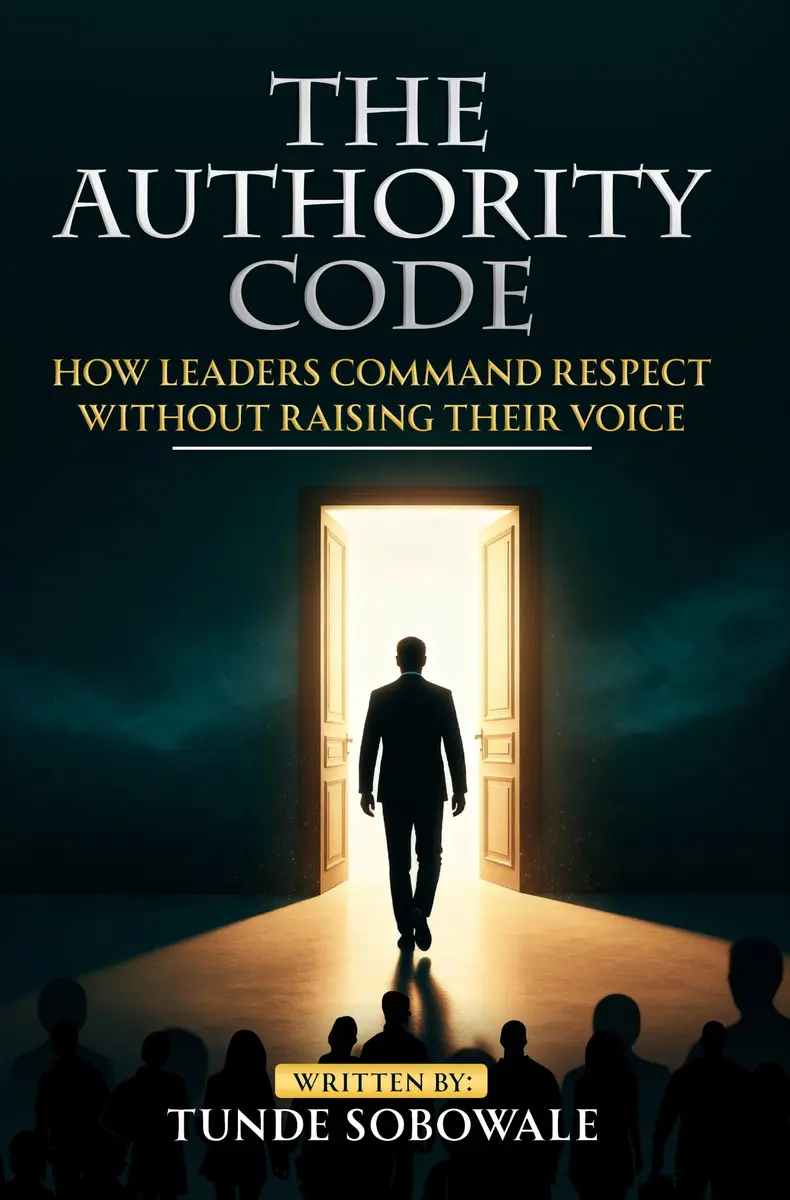
Books, film, and creative leadership
Author and film producer
Product discipline meets storytelling.
Outside product leadership, I write books and produce films. Both disciplines strengthen narrative, judgment, collaboration, and the ability to move complex work from concept to release.

Film
Silent Murmur
Primary festival artwork for the film produced and directed by Tunde Sobowale.

Film
The Spirit of Deception
A dramatic story shaped from concept through production.
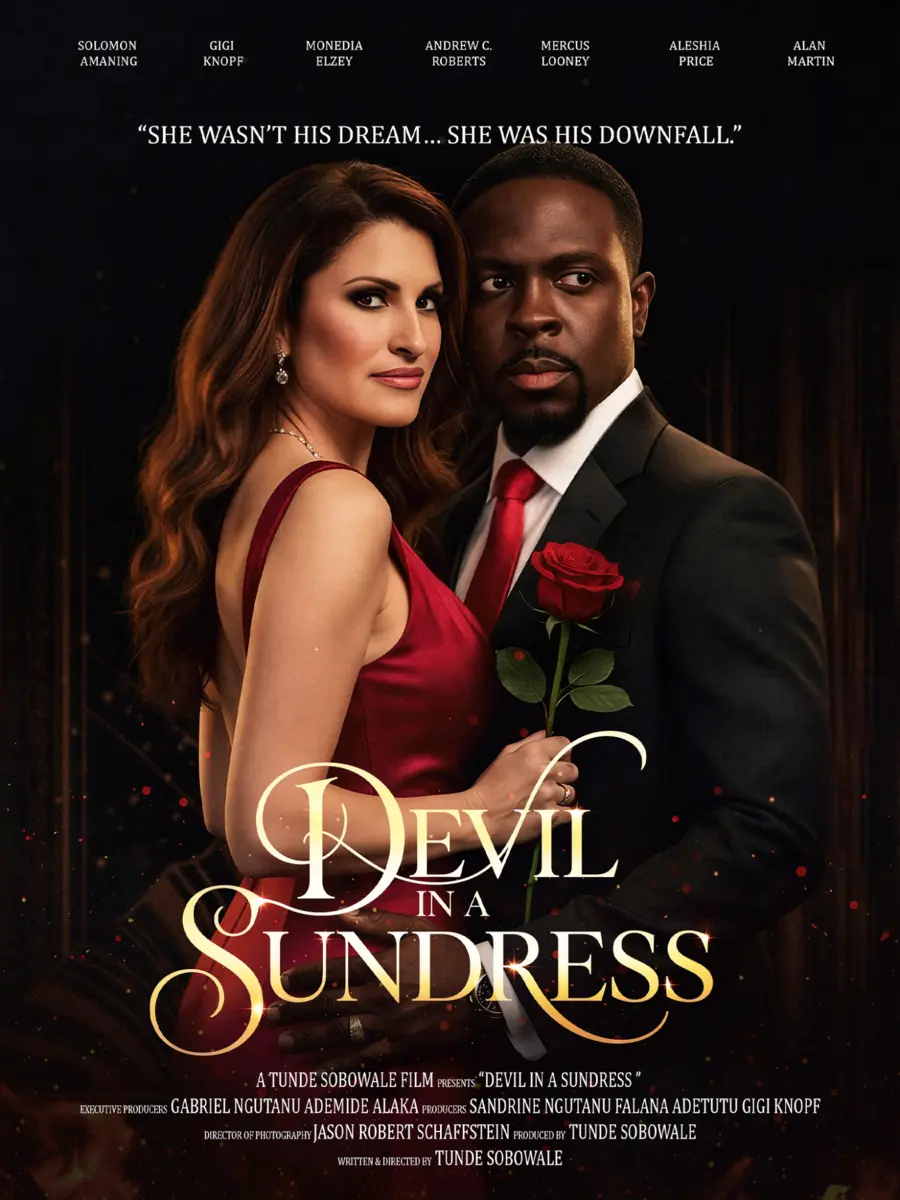
Film
Devil in a Sundress
A feature production developed through collaborative storytelling.
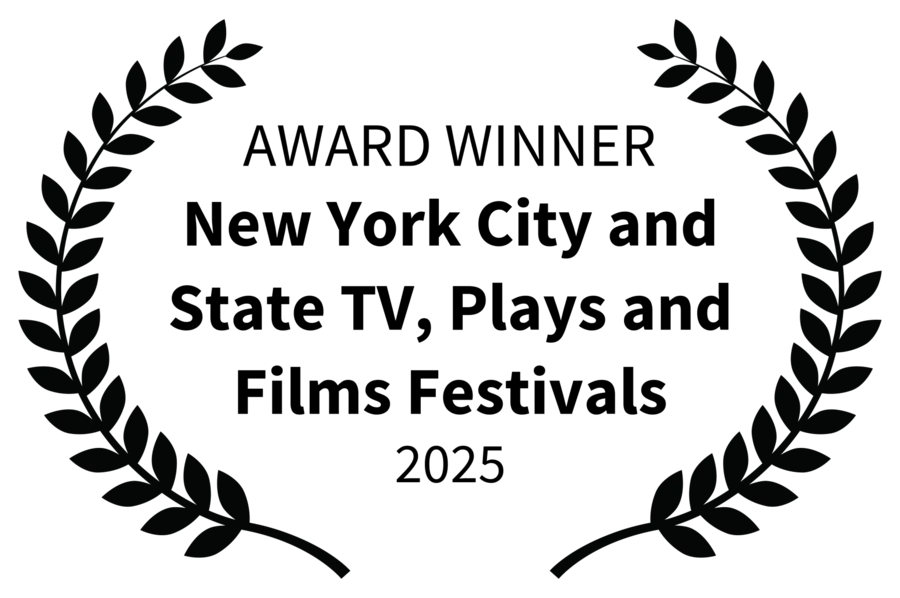
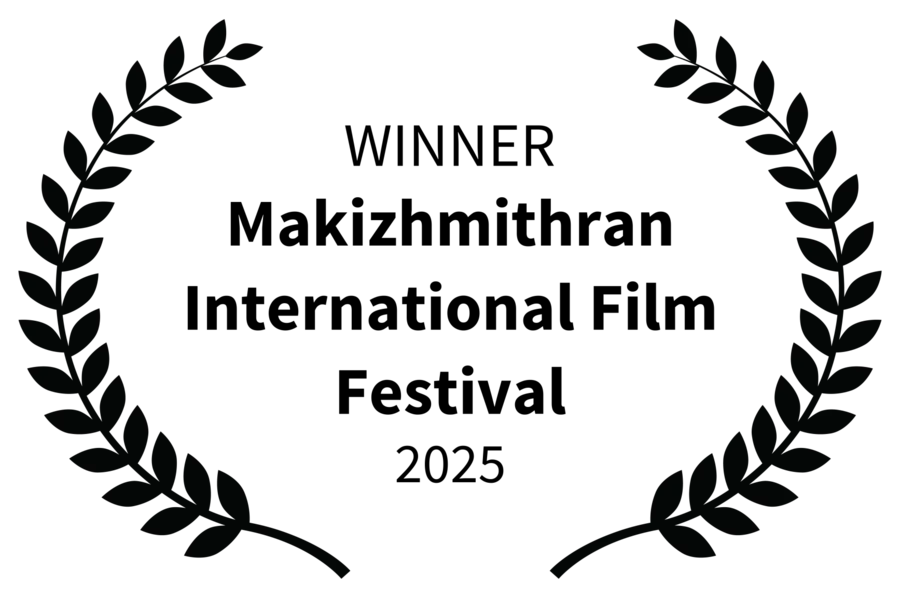
Recognition
Selected festival honors




Visitor notes
Share a thought
Seen something useful or have a thoughtful reaction? Leave a short public note. Valid notes will appear immediately after automated safety checks. Please do not include personal, confidential, or sensitive information.
“A clear portfolio that shows how product decisions move from complexity to delivery.”
Product evidence
Selected product work
Nextly
Senior Product Developer / Product Director
Directed roadmap, architecture, purchase verification, and store readiness for a task focus app released on iOS and Android.
zero to oneReact NativeStore Compliance

Recreation.gov (RIS)
Senior Consultant, IT Project Management
Directed accessible camping feature delivery across agency requirements, listing data, acceptance decisions, and rollout on Recreation.gov.
Feature OwnershipPublic Platform
What I lead
01
Product Strategy & zero to one
Own the roadmap from architecture through launch: scope, sequencing, and the calls that keep a build shippable.
02
Platform Architecture & Compliance
Direct technical tradeoffs, including billing verification, store policy, and federal ATO/FISMA cycles, without slowing delivery.
03
Cross Functional Leadership
Connect engineering, agency stakeholders, and leadership through clear requirements, acceptance decisions, risk escalation, and rollout planning.
04
Launch and Growth
Carry a product from store compliance through press, launch platforms, and the first real users.
Leadership in practice
The relationships behind strong delivery
Product leadership is built through clear decisions and trusted relationships. These moments reflect the collaboration, feedback, and team connection that support delivery.

Strong products move faster when leaders create trust across stakeholder and delivery relationships.

Alignment begins with accessible conversations and working relationships across disciplines.

One to one conversations create space for feedback, shared understanding, and better decisions.

Time together outside formal meetings strengthens the communication teams bring back to the work.

Shared activities build trust and the psychological safety required for honest product conversations.
Experience and credibility
Product leadership grounded in delivery
Recreation.gov
Senior Consultant, IT Project Management
Led accessible camping feature delivery across agency requirements, listing data, acceptance sessions, and rollout on a federal platform.
Nextly Focus
Senior Product Developer and Product Director
Directed product strategy, architecture, purchase verification, store readiness, and launch for the iOS and Android app.
Eagle Africa
Managing Officer and Owner
Guides a portfolio of digital products from business direction and product decisions through launch readiness.
Security, compliance, and federal delivery strengthen the product decisions I make. They support the work while product leadership remains the focus.
Need a product leader who can turn priorities into a release?
Start a conversationProjects
Products, platforms, and the decisions behind them.
Explore shipped products, federal feature delivery, and work in development. Each case study states my role and the product’s current stage.
Case Study · 01
Nextly: from product strategy to public iOS and Android release.
A task focus productivity app, shipped end to end under one product director: strategy, release engineering, compliance, and launch strategy.
Problem
Task apps lose people when deciding what comes next becomes work.
Leadership decision
Center the product on reengagement and one entitlement model across platforms.
Ownership
Product strategy, release architecture, compliance, and launch.
Outcome
Public release on the App Store and Google Play.

Onboarding
Today, Light Mode

Today, Dark Mode

Subscription Confirmed
01
The Context
Task apps are easy to start and easy to abandon. The opportunity was a tool built around reengagement at the moment of friction (what to do right after the last task closes) rather than another list that gets opened once and forgotten.
The constraint was ownership: no handoff between strategy and build. One person had to carry the product from architecture decisions through the exact wording on an App Store permissions screen.
02
The Strategy
I scoped a v1 around four mechanics that justified the app's existence rather than padding a feature list: Smart Refocus (automatically surfaces the next task on completion), Quiet Day (a reduced pace mode), Weekly Wrap (a completed tasks summary), and import/export against Todoist and Notion so switching cost wasn't a barrier.
On architecture, I made the call to build a unified BillingService abstraction spanning Stripe (web), StoreKit (iOS), and Play Billing (Android) against one entitlement schema, instead of three disconnected purchase paths that would each need separate QA and separate failure modes.
Entitlement decision flow
- Purchase source
Apple, Google, or Stripe - Unified entitlement service
- Server side verification
- Access granted or denied
03
The Execution
I owned the end to end build and the launch strategy, while directing engineering on the one decision that mattered most for launch risk: purchase verification that fails closed, not open.
Store review requires precise permission and purchase handling. I enforced server side purchase verification through Apple JWS signature validation and Google Play Developer API token verification, so invalid credentials fail closed instead of granting access.
When Apple rejected the build under Guideline 5.1.1(iv) over the wording on a microphone permission priming screen, I traced it to a single button label implying the app, not the OS, was deciding on permission, corrected the copy, and cleared App Review within one cycle.
I ran the store compliance program directly: data safety declarations, age ratings, and permission hardening across both consoles, with broad international storefront availability. For launch strategy, I coordinated press outreach and built the Product Hunt launch so iOS and Android went public at the same moment.
04
The Outcome
Nextly is live and publicly downloadable on both the Apple App Store and Google Play. That is the bar I held for "launched," rather than a build merely sitting in TestFlight or internal testing.
iOS + Android
Simultaneous public release
Global
Public storefront availability
1 cycle
To clear an App Review rejection
Case Study · 02
Recreation.gov: making campsite accessibility clearer before booking.
Directed accessible camping feature delivery across agency requirements, acceptance, and rollout on Recreation.gov.
Problem
Campers needed reliable accessibility details before booking.
Leadership decision
Translate agency standards into usable listing fields and acceptance criteria.
Ownership
Requirements, agency alignment, acceptance sessions, and rollout.
Outcome
Accessible camping became a standing public feature.
Recreation.gov, Public Platform

Search, 200+ Listings per Query
The public facing platform, including the accessible camping listings I drove delivery of. My role was program and product management, not the platform's visual design or engineering.
01
The Context
Within that program, a real gap sat in the booking experience itself: recreators with disabilities had no reliable way to tell, before they booked, whether a campsite actually met their accessibility needs. Accessible camping was the feature I owned to close that gap.
Recreation.gov runs under an Authority to Operate: a federal security authorization renewed on a fixed cycle under FISMA and NIST aligned protocols. A lapse can suspend authorization for a national public platform, so renewal work had to remain visible in the delivery plan.
02
The Strategy
I drove the accessible camping feature as a product owner would: defining the accessibility data standard a campsite listing needed to carry (surface type, site grade, accessible table and fire ring clearance, distance to accessible restrooms), coordinating with land management agency stakeholders to validate those fields against real site conditions, and sequencing the rollout against the delivery team's sprint calendar.
I treated the surrounding ATO compliance cycle the same way, as a scheduling discipline rather than a paperwork exercise, with every renewal milestone worked backward into that same calendar so the feature work and the compliance work never competed for the same sprint.
Feature delivery flow
- Agency accessibility standards
- Structured listing fields
- Stakeholder acceptance review
- Public booking details
03
The Execution
I owned accessible camping end to end: requirements, agency coordination, and the signoff a feature needs before it ships on a federal platform, while serving as the primary liaison between delivery teams and federal client stakeholders on everything else moving through the program.
I ran the requirements and acceptance sessions that turned agency accessibility standards into listing fields the delivery team could build, then tracked the feature through review and signoff. In parallel, I facilitated cross functional delivery and governance sessions, authored executive compliance briefings, and safeguarded confidential program and personnel records to federal standards.
04
The Outcome
Accessible camping shipped as a standing feature of the booking flow, giving recreators with disabilities accessibility data they can check before booking. Alongside it, the ATO renewal work I supported continued without a compliance lapse.
1
Accessible camping feature shipped and owned
0
Compliance lapses across ATO cycles
National scale
Public platform delivery
Case Study · 03
CommandCenterADHD: building a planner around attention, energy, and reset.
Product, brand, pricing, acquisition, and mobile direction: a founder led build with clear ownership of every product decision.
Problem
Conventional planners add overload and shame for many ADHD users.
Leadership decision
Build around Energy, Focus, and Reset without streaks or leaderboards.
Ownership
Product scope, pricing, brand, acquisition, and mobile direction.
Outcome
Live web product with mobile releases in development.

Command Center

Task Detail

Daily Reset Journal

View Settings
01
The Context
Most productivity systems built for ADHD still borrow the vocabulary of neurotypical discipline: streaks, leaderboards, guilt as a motivator. The market gap was a system designed around how ADHD attention actually fails (task initiation, object permanence for digital tasks, field count paralysis, working memory overload) without shame baked into the UI.
02
The Strategy
I built the product structure around three working principles, Energy, Focus, and Reset, expressed through a Notion based system (Today, Start Here, Parking Lot, Low Battery Mode, Weekly Reset) and a deliberate vocabulary: One Priority, Next Step, Drop a Thought, Proof not pressure.
Midway through the launch, I repriced from $47 to a $17 one time purchase and rebranded around "The Planner Autopsy," framing the product against six documented ADHD failure modes instead of generic productivity claims, which sharpened the pitch considerably.
03
The Execution
As founder, I owned product scope, brand, acquisition, and mobile development decisions, keeping the experience consistent from discovery through onboarding.
I wrote and shipped the sales copy, onboarding guide, and full PDF deliverable set; designed and ran the Meta Ads funnel (pixel, lead and purchase events, domain verification, business portfolio structure); and directed a Capacitor wrapped iOS/Android build of the product's core web app as a product director working with a build agent, not a dev team.
Every brand decision enforced the same rule throughout: no shame language, no streaks, no leaderboards. I held that constraint even when it meant turning down more conventional growth lever copy.
04
The Outcome
Live at commandcenteradhd.com with a defined acquisition funnel and documented customer feedback. The mobile apps are in development as the next release.
100%
Owned: product, brand, and funnel
$47→$17
Repriced after market testing
iOS + Android
Mobile build in progress
Case Study · 04
Kepvia: commitment intelligence, now live on Google Play.
Capture a promise, confirm the details, and follow through as plans change. Kepvia is live on Android, with Apple App Store approval pending.
Problem
Commitments disappear between capture and the moment action is required.
Leadership decision
Build a six stage lifecycle from capture through resolution.
Ownership
Product direction, lifecycle, pricing, and store readiness.
Outcome
Live on Google Play with iOS review pending.

Capture

Active

Needs Attention

Kepvia Pro
01
The Context
People rarely break commitments because they forgot making them. They break them because nothing happens in the gap between making the commitment and the deadline. Most task and reminder tools stop at capture and confirmation, then go quiet until the due date arrives and it's too late to adjust.
The opportunity was a system that stays engaged through the full life of a commitment instead of going silent after the first step.
02
The Strategy
I set a six stage loop as the product's spine: capture, confirm, watch, intervene, adapt, resolve. Every feature decision coming out of the build has to map onto one of those stages or it doesn't ship.
On brand, I rejected an earlier teal and IBM Plex Mono direction that read as generic utility software and directed the build toward an indigo and violet palette with Sora and Inter typography, a visual identity built to feel considered rather than default.
On monetization, I reversed an earlier plan for a one time purchase after confirming the build platform's managed billing integration couldn't support nonconsumable purchases, and set pricing at an annual subscription with a seven day free trial instead.
03
The Execution
I act as product director on every build decision coming out of the development agent: reviewing proposed flows against the six stage loop, approving brand direction, and setting monetization terms myself rather than deferring them.
The marketing site at kepvia.digital is separate from the mobile app. This keeps product information and support accessible while Android distribution and the Apple review process progress independently.
04
The Outcome
Kepvia is live on Google Play. The iOS version is awaiting Apple App Store approval. The next priority is to evaluate activation, commitment resolution, and repeat use following the Android release.
6 stages
Commitment loop defined end to end
$29.99/yr
Pricing, with a seven day free trial
Android live
Apple App Store approval pending
Case Study · 05
Lumavoya.tv: advising a streaming platform toward a filmmaker first build.
Product advisory on a streaming platform for independent filmmakers, reviewing UI/UX direction and technical functionality as the build moves through its no code platform.
Problem
Independent filmmakers need direct distribution and flexible access.
Leadership decision
Combine pay per title with membership and curated discovery.
Ownership
Product advisory, interface review, and functional guidance.
Outcome
Preview product with review continuing before public launch.

Featured Hero, Devil in a Sundress

Featured Hero, Echoes of Berlin

Featured Hero, Silent Murmur

Catalog Card, $20 Single Title Pricing
The pay per title plus membership model I review alongside the build. My role is UI/UX and functionality review, not the platform's engineering.
01
The Context
Independent filmmakers are underserved by the major streaming platforms, which are built around licensed catalog content, not a creator uploading and monetizing their own work directly to an audience. Lumavoya is being built to close that gap: a platform positioned specifically for independent film, not a general purpose video host repurposed for it.
02
The Strategy
My role here is advisory, not build owner: the product is being developed on the Emergent no code platform, and I review the UI/UX direction and the technical functionality coming out of that build against what an independent filmmaker and their audience actually need, rather than what's fastest to ship.
The catalog model I've reviewed is dual track on purpose: a flat $20 single title fee for anyone who wants one film, and a founding member tier for unlimited catalog access, so the platform doesn't force a subscription on a viewer who just wants to watch one thing. Content is organized around curation, not a wall of thumbnails: Award Winners, Staff Picks, and genre rails (drama, thriller, atmospheric mystery, documentary, art house romance, historical fiction, coastal drama), plus an open filmmaker submission path so the catalog can grow past what the team sources directly.
03
The Execution
I review UI/UX direction and technical functionality as Lumavoya moves through its build, giving the no code development process a product and filmmaker experience lens it wouldn't otherwise have.
One of the titles live in the catalog, "Devil in a Sundress," is credited to Eagle Africa Production, the film production company I manage jointly, alongside TRS Promotion, giving me a working filmmaker's view of the submission and listing experience I'm also reviewing as an advisor. This is a narrower mandate than my founder and product director roles elsewhere in this portfolio, and I keep it framed that way: advisory input into someone else's build, not ownership of the roadmap or the engineering decisions.
04
The Outcome
Lumavoya is live in preview with a working catalog, pay per title and founding membership checkout paths, and curated collections, with product and UX review ongoing ahead of a public launch.
$20
Flat single title fee, plus a membership tier
7
Genre collections live in the catalog
Indie film
Platform focus, not general video hosting
Case Study · 06
FinForceX: directing an AI CFO platform that asks before it acts.
An AI governed cash flow platform for finance teams, directed toward autonomous forecasting and recommendations that execute only after a human approves them.
Problem
Finance teams need recommendations without surrendering control.
Leadership decision
Require human approval before any recommended action executes.
Ownership
Product direction, workflow design, governance, and roadmap.
Outcome
Decision controls defined in a working sandbox.

Onboarding, Health Score & Role Switcher

AI Control Plane, Confidence & Accuracy

AI Decision Lifecycle, Human Approval Gate

30 & 90 Day Cash Projections
Development screenshots show sandbox data. Displayed balances, confidence scores, and forecast figures are illustrative interface values, not verified financial outcomes.
01
The Context
Finance teams already have forecasting tools and AI copilots pitched at them constantly, and most CFOs' real objection isn't accuracy, it's control: nobody wants software quietly moving money or committing the business to a decision without a human in the loop. The opening for FinForceX wasn't "AI that predicts cash flow," every competitor claims that. It was AI that a finance team can actually trust to operate inside their business, because it can't act without permission.
02
The Strategy
I'm directing the build toward governance as the core product, not a compliance afterthought bolted onto a forecasting tool. Every AI output, a cash flow risk flag, a revenue opportunity, a recommendation to delay a vendor payment, routes through an explicit six stage lifecycle: Data Ingestion, AI Analysis, Insight, Recommendation, Approval, Execution. Nothing skips the Approval step, and a persistent "Pause All AI Actions" control sits one click away at all times.
Access is role based (CFO, Accountant, Partner) so the same underlying cash position surfaces differently depending on who's looking at it and what they're accountable for, and onboarding is sequenced around connecting real financial data, bank account, then accounting software, before any forecast is presented as something to act on.
Governed decision flow
- Cash flow data
- Forecast and recommendation
- Human approval
- Execution and audit record
03
The Execution
Autonomous intelligence with human authority isn't marketing copy here, it's the product's actual operating constraint: I review every build decision against whether it preserves that boundary, not just whether the feature works.
Built on the Emergent platform, the same build pattern I direct on Nextly and Kepvia. Integration sandboxes are live against Stripe and Bill.com, feeding a 90 day cash flow forecast, anomaly detection, and a revenue intelligence layer, with every AI action logged and reversible decisions surfaced before execution rather than after.
04
The Outcome
The sandbox demonstrates onboarding, role based dashboards, an AI Control Plane, and an approval queue. Displayed recommendations and financial amounts use demonstration data. Remaining work includes real bank and accounting connections and evaluation against live data before general availability.
Sandbox
Demonstration data, not customer outcomes
Not validated
Forecast performance on live financial data
6 stages
AI decision lifecycle, gated by human approval
Shipped product · Android
Shine Your Eye: observe, decide, and learn through play.
An offline scenario game set in Lagos. Players scan illustrated scenes, spot clues, and make choices through fictional encounters.
Problem
Scenario learning must remain usable where connectivity is unreliable.
Leadership decision
Use offline play with no login, ads, or paywall.
Ownership
Publishing, distribution, release quality, and store readiness.
Outcome
Public Google Play release.

Actual game screen from the Google Play listing
01
The experience
Players observe scenes and conversations, choose their next move, and practise timing challenges. Campaign progression, Street Cred, and a safety journal connect individual encounters to a continuing experience.
02
Product decisions
Offline mobile play, local progress storage, and no account requirement keep the experience accessible without a continuous connection. Audio and reduced motion settings give players control over presentation. The game is free, with no ads or in app purchases.
03
Release and next milestone
The Android game is publicly available on Google Play. The next evidence to gather is scenario completion, usability, and player feedback. The release demonstrates delivery; learning outcomes and retention still need evaluation.
All encounters are fictional educational simulations. The game provides no emergency assistance or guarantee of real world safety.
Android
Public Google Play release
Offline
Mobile play with local progress
Free
No ads or in app purchases
About
Product judgment, disciplined delivery, and hands on ownership.
I go by Tee. I bring experience in operations, federal programs, and independent product development to strategy, stakeholder decisions, and launch execution.

Tunde "Tee" Sobowale
Philosophy
Rigor and speed aren't opposites. They're sequencing. Federal program work taught me to treat compliance and risk as scheduled work, not last minute scrambles; building my own products taught me that the fastest way to ship well is to own the decision, make the call, and live with the outcome. I bring both into every build I lead.
Trajectory
Mar 2025 to Present
Managing Officer / Owner
Eagle Africa Trading and Distribution Corporation
Own business operations and digital product execution, including product strategy, prioritization, release planning, and go to market decisions. Role began March 5, 2025; Nextly product development began March 2026.
Mar 2026 to Present
Senior Product Developer / Product Director
Nextly
Directed a task focus app from architecture through simultaneous iOS and Android launch, owning strategy, release engineering, and launch strategy.
Dec 2024 to Mar 2025
Senior Consultant, IT Project Management
CGI Federal Inc
Directed delivery of the accessible camping feature on Recreation.gov, translating agency requirements into listing data, acceptance criteria, and rollout plans. Supported ATO security renewal cycles without a compliance lapse.
Dec 2021 to Nov 2024
Senior Consultant, Product Management
AEYON
Operational support to federal program leadership: budget reconciliation, procurement, multiple stakeholder scheduling, executive summaries.
Mar 2021 to Nov 2021
Associate
Amazon
High volume, metrics driven operations requiring independent judgment on time sensitive issues under sustained pressure.
Nov 2018 to Feb 2021
Business Operations Manager & Executive Administrative Support
Browns Group Pty Ltd, Johannesburg
Executive scheduling, confidential records, multiple stakeholder leadership forums, and procurement for a senior leadership team.
Certifications & Education
Project Management Professional (PMP)PMI
Certified ScrumMaster (CSM)Scrum Alliance
Certified Scrum Product Owner (CSPO)Scrum Alliance
SAFe 6 Scrum MasterScaled Agile
SAFe 5 Release Train EngineerScaled Agile
CompTIA CySA+2026
Health Informatics CertificateJohns Hopkins
Member, IIBAOngoing
Accounting & Business AdministrationCambridge Int'l College
Adv. Certificate, Supply Chain & LogisticsUNISA
Review my experience and qualifications.
Current product leadership résumé, available as a PDF.
Contact
Let's build.
Based in Menlo Park, California. Open to senior product leadership roles, consulting engagements, and conversations about what you are trying to ship.
Email
tundesobowale@icloud.com
LinkedIn
Tunde Sobowale
Location
Menlo Park, CA
Current Focus
Product & program leadership, SF Bay Area and remote opportunities
Start the conversation.
Hiring for a product leadership role, exploring a consulting engagement, or interested in a venture? Email me directly.
Email TundeDownload résuméYour email app opens with the recipient ready. Prefer webmail? Copy the address alongside.
Ventures overview
What is live. What is being built. What comes next.
A concise view for prospective partners and investors. Product stage and delivery evidence are distinct from commercial traction.
Each venture lists its customer, current stage, delivery evidence, and next validation milestone.
Explore a product or partnership.
Ask about the specific venture, current evidence, and its next milestone.